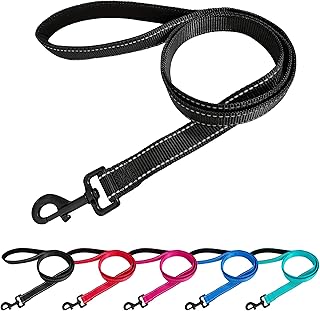
best practices for securing your dog with the right lead
Walking your dog is one of the most enjoyable experiences for both you and your furry friend. However, ensuring their safety while on these outings is paramount. The right lead can make all the difference, giving you control and your dog the freedom to explore safely. In this article, we will discuss expert recommendations on choosing and using the perfect lead for your dog in 2026.
Understanding the Types of Dog Leads
There is a variety of dog leads available on the market, each designed for specific needs and circumstances. The most common types include standard leads, retractable leads, and specialty leads such as no-pull or training leads. Standard leads, usually made of nylon or leather, provide stability and control, making them ideal for everyday walks. On the other hand, retractable leads offer more freedom, allowing your dog to roam while still being under your control. However, it is important to note that these can lead to tangling and may not be suitable for all dogs, especially those that pull.
Choosing the Right Length and Width
The length and width of the lead are crucial for ensuring both safety and comfort. For most dogs, a lead that is 1.2 to 1.8 metres long is ideal. This length provides enough room for your dog to explore while still keeping them close. Width is equally important; a wider lead distributes pressure better and is less likely to dig into your hand if your dog pulls. For larger breeds, a lead that is at least 2.5 cm wide is recommended, while smaller breeds can manage with a narrower lead.
People Also Look For:
- Rope Dog Lead With Comfortable Padded Handle and Highly Reflective Threads, Durable Sturdy Dog Lead For Medium Large Dogs (Purple,...
- IOKHEIRA Bungee Dog Leash, Anti Pull Dog Leads with Car Seat Belt Buckle, Reflective Thread Dog Leads with Traffic Control Handle,...
- HALTI Training Lead - Professional Dog Lead to Stop Pulling on the Lead, Perfect for Puppy Walks, Easy to Use Double-Ended Dog Lea...
- Beshine Padded Handle Dog Lead, 1.2m x 2cm Durable Reflective Nylon Dog Leash for Small, Medium Dogs, Black
- Belababy Dog Training Leads with Soft Padded Handles, 1.5M Basic Dog Leashes with Trash Bag Storage Box, Reflective Heavy Duty Nyl...
Material Matters
The material of your dog lead can affect its durability and comfort. Nylon leads are lightweight and quick-drying, making them a popular choice for everyday use. Leather leads, while more expensive, offer a stylish option and tend to be more durable. If your dog is a chewer, consider opting for a chain lead, which is chew-resistant and provides added security. Regardless of the material, ensure it is strong enough to handle your dog’s weight and pulling strength.
Using a Proper Harness
While leads are essential, pairing them with the right harness can significantly improve your control during walks. A well-fitted harness distributes pressure evenly across your dog’s body, reducing the risk of injury. For dogs that pull, consider a front-clip harness that discourages pulling by redirecting their movement. Always check that the harness is snug but not restrictive, allowing for comfortable movement without escaping.
Regularly Inspecting Your Lead
Like any pet accessory, leads require regular inspection to ensure they remain safe for use. Check for frays, tears, or wear on the material, and inspect the clips and attachments to ensure they are functioning correctly. A compromised lead can pose a significant safety risk, so it is advisable to replace it at the first sign of damage.
Training and Behaviour
No matter how secure the lead, proper training is vital for a safe walking experience. Teach your dog to walk calmly beside you and respond to commands. Using positive reinforcement techniques can encourage good behaviour while walking. If your dog tends to pull, consider incorporating lead training exercises into your routine to build better habits.
Adapting for Different Environments
Finally, consider the environment in which you will be walking. For busy urban areas, a shorter lead may provide better control, while in open spaces, a longer lead allows for more freedom. Always remain aware of your surroundings and adjust the length of your lead based on your dog’s behaviour and the situation at hand.