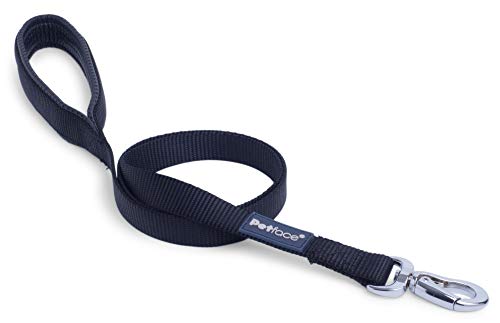
caring for your dog lead to ensure safety and longevity
As any devoted dog owner knows, the lead is an essential tool for walking your furry friend. It not only provides control but also ensures the safety of your pet and those around you. In 2026, it is vital to understand the importance of maintaining your dog lead to guarantee its longevity and reliability. In this guide, we will delve into practical tips for caring for your dog lead, whether it be a traditional dog chain, a fabric lead, or a refined pet lead.
Regular Inspections
The first step in ensuring the safety and longevity of your dog lead is to conduct regular inspections. Make it a habit to check your lead for any signs of wear and tear before each walk. Look for frayed edges, weakened clips, or any rust on metal components, especially if you use a chain lead. If your lead shows any signs of damage, it is crucial to replace it immediately to avoid any potential accidents.
Proper Cleaning Techniques
Keeping your dog lead clean is vital for both safety and longevity. Dirt and grime can accumulate over time, leading to material degradation. For fabric leads, it is advisable to hand wash them with mild soap and warm water. Rinse thoroughly and allow them to air dry completely before the next use. For chain leads, a damp cloth can be used to wipe off any mud or debris. It is also beneficial to periodically lubricate the metal parts with a suitable lubricant to prevent rusting.
People Also Look For:
- Siliget Figure of 8 Dog Lead Anti Pull, 180cm No Pull Dog Leads for Medium and Large Dogs with Padded Nose Support & Loop Handle, ...
- X XBEN Long Line Dog Lead, 3M 5M 10M 15M 20M 25M 30M Reflective & Lightweight Recall Training Lead for Dogs with Soft Padded Handl...
- Meindin Dog Retractable Lead - 16 Ft Puppy Runner Tape - Portable Dog Walking Lead with Brake for Large Medium Breeds Training Run...
- MayPaw Heavy Duty Rope Dog Lead, 3/4/5/6/7/8/10/12/15 FT Nylon Pet Leash, Soft Padded Handle Thick Lead Leashes for Large Medium D...
- HaiYUAN Dog Tie Out Cable 10/15/20/25/30 FT Dog Runner for Yard Steel Wire Dog Cable with Durable Superior Clips purple Dog Chains...
Storage Solutions
How you store your dog lead can significantly affect its lifespan. Always store your lead in a dry and cool location away from direct sunlight, which can cause fading and deterioration. Avoid leaving your lead in damp areas or near heating sources as this can warp the material. Consider using a dedicated storage solution such as a hooks or a designated drawer to keep your leads organised and protected.
Choosing the Right Lead for Your Dog
The type of lead you choose can impact how well it holds up over time. For smaller breeds, a lightweight fabric lead may suffice, while larger breeds may require a more robust chain lead for added security. Always consider your dog’s behaviour; for instance, if your dog tends to pull excessively during walks, a sturdy lead with a comfortable grip is essential. Additionally, investing in a lead that is suitable for training purposes can enhance your control during walks.
Understanding Lead Length and Type
The length and type of lead you select play a critical role in your walking experience. A standard lead usually ranges from 4 to 6 feet in length, offering a balance of control and freedom. However, if you frequently visit parks or open spaces, a longer lead may allow your dog to explore safely. Retractable leads can provide additional flexibility but require careful handling to ensure your dog's safety. Always use the appropriate lead for the environment you are in.
Routine Checks for Hardware
Do not forget the hardware on your dog lead. The clip that attaches the lead to your dog’s collar should be inspected regularly for any signs of wear or damage. Test the clip to ensure it latches securely. If you notice any issues, consider replacing the clip or the entire lead altogether. A faulty clip can lead to your dog breaking free unexpectedly, posing a risk to their safety.
Educating Yourself on Lead Safety
Finally, understanding lead safety is paramount. Be aware of your surroundings during walks, and always keep a firm grip on the lead. Train your dog to walk calmly beside you and refrain from abrupt movements that could place undue stress on the lead. By prioritising lead safety, you contribute to a positive walking experience for both you and your dog.