common mistakes dog owners make with leads during walks
Walking your dog is an essential part of pet ownership, providing not only exercise but also mental stimulation for your furry friend. However, many dog owners inadvertently make mistakes when using leads during walks that can lead to frustrating experiences for both dog and owner. In this article, we will explore these common missteps and offer practical advice to enhance your dog walking routine in 2026.
Using the wrong type of lead
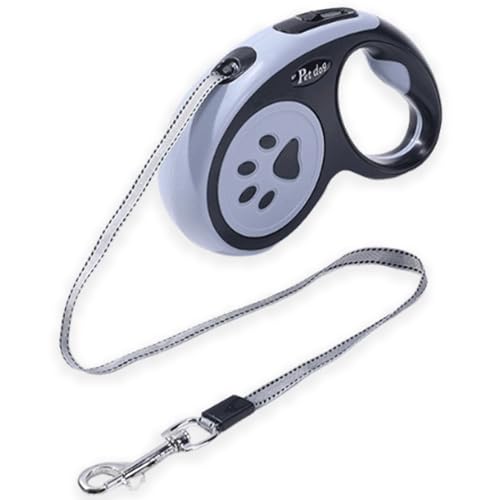
One of the most prevalent mistakes dog owners make is choosing the incorrect type of lead for their dog. There are various types available, including standard leads, retractable leads, and chain leads. Each type serves a distinct purpose. For instance, standard leads are ideal for training and everyday walks, while retractable leads may encourage pulling and wandering. It is crucial to select a lead that matches your dog’s size, behaviour, and walking environment. A sturdy, comfortable lead will provide better control and safety for both you and your pet.
Holding the lead incorrectly
Another common error is how dog owners hold the lead. Some people grip the lead too tightly, which can create tension and anxiety for the dog, leading to unwanted pulling. Instead, hold the lead with a relaxed grip, allowing some slack while maintaining control. This approach will help your dog feel more at ease and reduce any stress during the walk. Additionally, be aware of your body language; dogs often pick up on their owner's cues, so maintaining a calm posture can positively influence your pet’s behaviour.
People Also Look For:
- pecute Retractable Dog Leash with Poo Bag Holder, 2025 New 8m Dog Lead with 360° Tangle-Free Extended, One-Handed Brake, Pause,...
- XiaZ Dog Tie Out Cable 150ft, Heavy Duty Dog Chains for Outside with Lockable Hook, Pet Runner Cable Leads for Yard, Dogs Line Tet...
- X XBEN Long Line Dog Lead, 3M 5M 10M 15M 20M 25M 30M Reflective & Lightweight Recall Training Lead for Dogs with Soft Padded Handl...
- Amazon Basics Dog Lead with Dual Padded Handles and D-Ring, 180 cm, Black/Blue
- Pioneer Petcore Dog Lead 6ft Long,Traffic Padded Two Handle,Heavy Duty,Reflective Double Handles Lead for Control Safety Training,...
Allowing too much freedom
While it may be tempting to give your dog free rein during walks, excessive slack in the lead can encourage pulling and lead to chaotic walks. It is vital to strike a balance between allowing your dog to explore and maintaining control over the walk. Teach your dog to walk at your side using commands like “heel†and reward them for staying close. This training will not only improve the walking experience but also promote better behaviour in public spaces.
Neglecting proper lead length
The length of your dog lead can greatly impact the quality of your walks. A lead that is too long can give your dog the opportunity to stray too far, while a lead that is too short may restrict their movement. For most everyday walks, a standard lead of around 1.2 to 1.8 metres is recommended. This length allows for comfortable movement while keeping your dog close enough for control. If you enjoy jogging or running with your dog, consider using a hands-free lead designed specifically for this purpose.
Forgetting to check the lead regularly
Over time, leads can wear down and develop frays or other damage, which can compromise safety. Many dog owners overlook regular inspections of their leads, assuming they are in perfect condition. Make it a habit to check your lead for any signs of wear and tear before each walk. If you notice any issues, replace the lead immediately to ensure your dog’s safety during walks.
Not adjusting the lead for different environments
Different walking environments may necessitate adjustments to your lead choice and handling. For instance, walking in crowded areas may require a shorter lead for better control, while more open spaces can allow for a longer lead. Be adaptable and aware of your surroundings, adjusting your lead as needed to ensure a safe and enjoyable walk for both you and your dog.