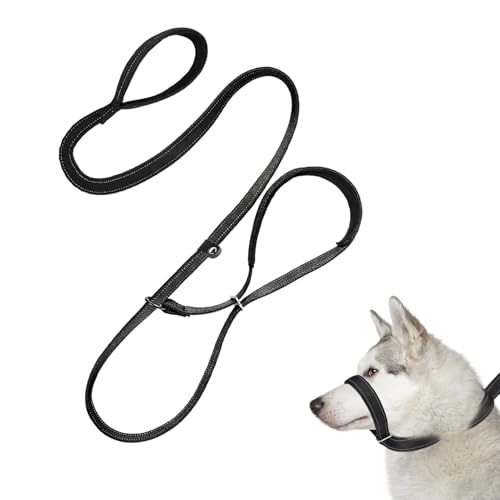
essential guide to selecting the right dog lead for walks
Walking your dog is one of the most enjoyable activities for both pet and owner. However, selecting the right dog lead is crucial for a pleasant and safe experience. With a multitude of options available, knowing which lead to choose can make a significant difference in your daily walks. This guide aims to help you navigate through the various types of dog leads, enabling you to make an informed decision tailored to your dog's needs.
Understanding Different Types of Dog Leads
Dog leads come in several styles, each designed for specific purposes and behaviours. The most common types include standard leads, retractable leads, and training leads. Standard leads are typically 4 to 6 feet long and offer maximum control during walks. Retractable leads allow for greater freedom, letting your dog explore while you maintain control through a locking mechanism. Training leads, often longer, are ideal for teaching commands and reinforcing good behaviour.
Material Matters
The material of the lead plays a significant role in its durability and comfort. Nylon and leather are the most popular materials. Nylon leads are lightweight, easy to clean, and usually more affordable, making them a great choice for everyday use. On the other hand, leather leads offer a more robust and stylish option but require more maintenance to keep them in good condition. Consider your dog's size and strength when selecting the material; larger breeds may require a sturdier lead to prevent wear and tear.
People Also Look For:
- Retractable Dog Lead, Shunshi Heavy-Duty Extendable Dog Leads - 5M/16FT Strong Nylon Tape Leash, One-Handed Brake & Lock, Tangle-F...
- Hand Free Dog Lead, Dog Walking Belt Ajustable Dogs Leash Waist Belt Pet Leash Coupler Running and Jogging Lead with Retractable B...
- Furdreams 1.5m (5ft) Slip-On Dog Lead - One-Size-Fits-All Leash with Soft Padded Handle & Highly Reflective Threads - Durable & We...
- HaiYUAN Dog Tie Out Cable 10/15/20/25/30 FT Dog Runner for Yard Steel Wire Dog Cable with Durable Superior Clips purple Dog Chains...
- VIVAGLORY Rope Dog Lead Roperex Dog Lead, Leash with Soft Padded Handle for Walking & Training, Strong Rope & Reflective Heavy Dut...
Choosing the Right Length
Length is another critical factor in selecting a dog lead. Shorter leads provide more control, making them suitable for busy urban environments where you need to keep your dog close. Longer leads are perfect for open spaces and parks, allowing your dog to roam while still under your supervision. A general rule of thumb is to choose a lead length based on your dog's behaviour; if they tend to pull or are easily distracted, a shorter lead may be beneficial.
Consider Your Dog's Size and Breed
When selecting a dog lead, it's essential to consider your dog's size, breed, and temperament. Larger breeds or strong pullers may require a heavier-duty lead or even a chain lead for added strength. Smaller breeds, on the other hand, can often manage lighter materials. Assess your dog's behaviour on walks; if your dog is prone to pulling, a lead designed for training or control might be necessary.
Features to Look For
Additional features can enhance the usability and comfort of a dog lead. Look for padded handles for a comfortable grip, especially if your dog tends to pull. Reflective stitching or materials can add visibility during night walks, providing an extra layer of safety. Some leads come with built-in accessories like waste bag dispensers, which can make walks more convenient. Consider your lifestyle and the environments you frequent to determine which features would be most beneficial.
Testing Before Purchase
Before committing to a lead, it is advisable to test it out if possible. Some pet stores offer the opportunity to attach leads to test dummies or similar setups. This can help you assess the comfort and control of the lead. Ensure that the lead feels comfortable in your hand and suits your walking style. If you choose a retractable lead, check that the locking mechanism works smoothly and securely.
Budget Considerations
Dog leads vary significantly in price, so it is essential to set a budget. While it may be tempting to opt for the cheapest option, investing in a quality lead can pay off in the long run. A well-made lead will last longer and ensure that both you and your dog enjoy safer, more comfortable walks. Keep an eye out for sales or quality second-hand options that can provide value without compromising safety.